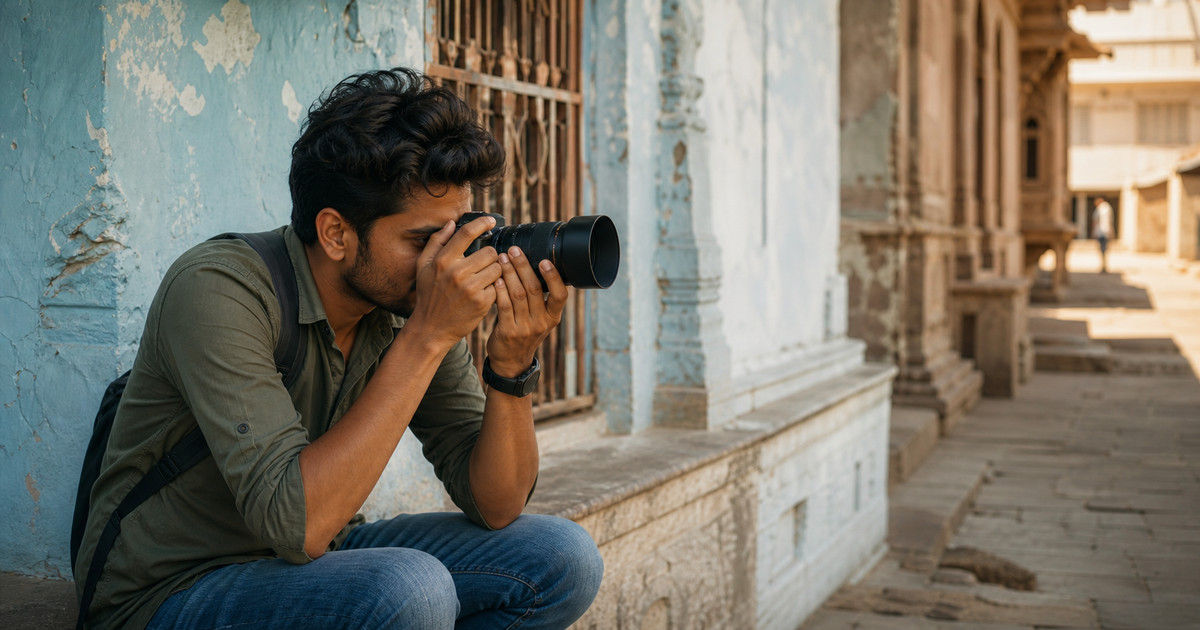
Freelance photography in India looks glamorous from the outside and financially brutal from the inside for the first year. Everyone with a DSLR and an Instagram grid thinks they can shoot weddings, and clients have been burned enough times by cheap, inexperienced shooters that they now negotiate hard with anyone new.
The photographers actually making a living picked one genre, built a pricing structure that survives a slow month, and treat contracts as non-negotiable rather than something to add later. Here is how to do the same.
Pick a genre before you buy more gear
"Photographer" is not a positioning. Wedding, product, real estate, corporate headshots, food, and event photography are six different businesses with six different client pools, pricing structures, and skill requirements. A wedding photographer needs a completely different portfolio and pitch than a product photographer shooting for D2C brands.
Product and food photography for e-commerce and D2C brands is currently the strongest entry point for new freelance photographers in India, since demand from online brands is high and the barrier to a first booking is lower than weddings, which usually require a referral chain and a proven track record. Corporate headshots and event photography for company offsites are steady, lower-glamour work that pays reliably and rarely gets cancelled.
Pick one to lead with and build a portfolio specifically for it. You can shoot other genres on the side once you have momentum, but your Instagram grid and your pitch need to say one clear thing.
Where your first paying clients actually come from
Your first client is almost never a stranger who found your Instagram. It is someone in your network, or a business you approach directly with a specific offer.
Message everyone you know who runs a business, plans events, or knows someone who does: "I have started taking on freelance photography, mostly [your genre]. If you know anyone who needs this, I would appreciate an intro." For product and food photography specifically, cold-emailing small D2C brands with two or three sample shots of a product similar to theirs, offered as a demo, works far better than a generic portfolio link, since it shows exactly what their product would look like in your style.
After your network, Instagram works as a slow-burn inbound channel if you post consistently and tag local businesses, but it rarely produces a first client fast. Wedding photographers specifically rely heavily on referrals from past clients and vendor relationships (makeup artists, planners, venues), so the first two or three weddings often matter more for the referral chain they open up than the fee itself.
Price per shoot or package, not per hour
Hourly pricing rarely works in photography because the value is in the final edited images, not the time spent shooting. A wedding photographer who shoots for six hours and delivers 400 edited photos over two weeks is not paid for eight hours of work, they are paid for a full deliverable that includes editing, culling, and delivery.
Quote a flat package price that includes the shoot, a stated number of edited final images, and a delivery timeline. For product photography, price per shoot with a set number of product SKUs included, and charge extra per additional product beyond that count. This protects you from a client quietly expanding the shoot list mid-session and expecting the same fee.
Always separate raw file delivery from edited file delivery in your pricing. Handing over unedited RAW files is a different, more valuable deliverable than a curated set of final edits, and some clients will ask for both assuming it is included by default unless your package explicitly states otherwise.
Equipment and cost of doing business, priced into your rate
Camera bodies, lenses, lighting, and editing software subscriptions are real, ongoing costs that many new freelance photographers forget to price into their rates. A rough rule: your rate needs to cover equipment depreciation and upgrades, editing software (Lightroom, Photoshop), travel to shoots, and the actual editing time, which for a single shoot often equals or exceeds the shooting time itself.
If you are just starting, a mid-range camera body and one or two versatile lenses are enough. Do not delay your first booking waiting for gear you cannot yet afford. Clients hire for the final images, and a well-composed, well-lit shot from capable mid-range gear outperforms a poorly composed shot from expensive equipment every time. For the underlying pricing logic behind quoting a package instead of an hourly rate, see the guide on how to set your freelance rates in India.
Contracts, deposits, and file delivery, sorted before the shoot
Get a signed agreement before every shoot, covering the shoot date and duration, number of final edited images included, delivery timeline, usage rights (can the client use the photos commercially, on their own site, in ads), and a cancellation or rescheduling policy. Weddings and events specifically need a clear cancellation clause, since a client cancelling two days before a wedding leaves you with a blocked date and no ability to book someone else. For the general contract structure every freelancer needs, see the freelance contract guide for India.
Take a non-refundable deposit, typically 30 to 50%, to confirm the booking and block the date. Never hand over final high-resolution files before the balance is paid in full. Deliver a low-resolution or watermarked preview gallery for the client to select favourites from, and release final files only after payment clears.
Rinto lets you send a contract for e-signature before the shoot, generate a GST-ready invoice once the deposit or final balance is due, and see at a glance which clients have paid and which are still owed, so booking a shoot does not mean tracking payment status on WhatsApp threads and a notes app.
Frequently Asked Questions
How much does a freelance photographer earn in India?
Entry-level freelance photographers doing one or two shoots a week typically earn ₹15,000 to ₹35,000 per month while building a client base. With two to three years of experience and a specific genre, ₹50,000 to ₹1,20,000 per month is realistic. Senior wedding and event photographers with a strong referral network regularly earn ₹2,00,000 to ₹5,00,000 per month, especially during peak wedding season. Product and corporate photographers tend to have steadier, lower-variance monthly income than wedding photographers.
Which photography genre is easiest to start freelancing in?
Product and food photography for e-commerce and D2C brands has the lowest barrier to entry, since it does not require the referral chain and proven track record that wedding photography typically demands before a client will book you. Corporate headshots and small business event photography are also accessible entry points. Wedding photography pays the most per event but is the hardest genre to break into without existing referrals or an assistant role under an established photographer first.
Should I charge per hour or per shoot as a freelance photographer?
Per shoot or per package, not per hour. Photography value comes from the final edited deliverable, not time spent shooting, and hourly pricing does not account for the editing time that often takes as long as the shoot itself. Quote a flat package that includes the shoot, a set number of edited images, and a delivery timeline, with clear pricing for anything beyond that scope.
What equipment do I need to start freelance photography in India?
A mid-range camera body, one or two versatile lenses suited to your chosen genre, basic lighting equipment if shooting product or portrait work, and editing software like Lightroom or Photoshop are enough to start. Do not wait for top-tier gear before taking your first booking. Clients are paying for well-composed, well-lit final images, which capable mid-range equipment can deliver, not for the price tag of your camera bag.
Do I need a deposit before every photography shoot?
Yes, a non-refundable deposit of 30 to 50% is standard practice to confirm a booking and block your date, especially for weddings and events where a late cancellation leaves you unable to book another client for that slot. State the deposit and cancellation policy clearly in your contract before the shoot, and never release final high-resolution files until the remaining balance is paid in full.